How to choose the right light fixture size: bigger is not always better

When choosing a light fixture, many people assume that a larger lamp will provide better lighting and make the room look more stylish. In reality, bigger is not always better. A fixture that is too large can make a room feel crowded, visually heavy or out of proportion.
A fixture that is too small can also be a problem. It may look lost on the ceiling and fail to give the room enough visual presence. The right size depends on the room area, ceiling height, furniture layout, lighting needs and overall style.
Why an oversized light fixture can be a mistake
Large lamps often look attractive in product photos, but real homes have different proportions. In a small bedroom, a narrow hallway or a room with a low ceiling, an oversized ceiling light or pendant can make the space feel lower and more cramped.
Size does not automatically mean better lighting either. A large fixture can still create glare or shadows if the light source, diffuser or beam spread is not suitable for the room.
Start with the room size
The size of the room gives you the first clue. Small rooms usually work better with compact or slim fixtures. Medium rooms need a balanced size that feels visible but not dominant. Large spaces may need a bigger fixture or several light sources.
- Small rooms: choose low-profile, simple and compact designs.
- Medium rooms: look for balanced proportions and even light distribution.
- Large rooms: consider a larger fixture or layered lighting.
In many homes, several well-placed lights create a better effect than one oversized central light.
Consider ceiling height
Ceiling height is one of the most important factors. For low ceilings, flush mount or low-profile ceiling lights are usually more comfortable. They keep the space open and reduce visual clutter.
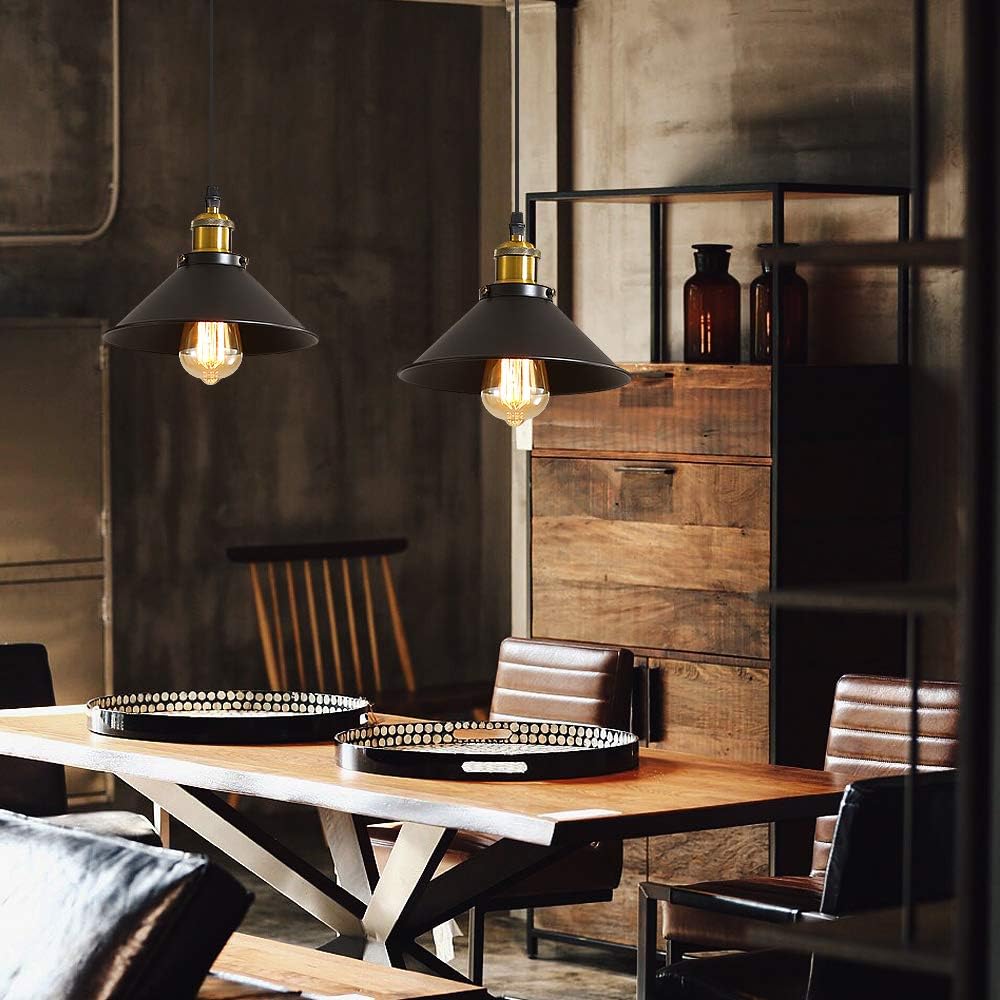
For higher ceilings, a larger fixture or a pendant light can work well. It can fill the vertical space and become a decorative feature, especially above a dining table, stair area or large living room.
Different fixture types need different sizing
A ceiling light is usually judged by its diameter or width. A pendant light must also be judged by its drop height. A wall light should be checked for depth, especially in corridors or beside a bed.
A wide ceiling light may suit a large living room, but it can overpower a small bedroom. A small pendant may look too weak above a long dining table. The right size always depends on where the fixture will be installed.
Do not confuse size with brightness
A larger light fixture is not always brighter. Brightness depends mainly on lumens, light distribution, LED quality, color temperature and diffuser design. A compact LED ceiling light can still illuminate a room evenly if it is well designed.
Before buying, check both dimensions and lighting specifications. Look at lumens, wattage, color temperature and whether the light is direct, indirect or diffused.
Match the size to the room function
In a kitchen, the light should be functional and evenly distributed. In a bedroom, the fixture should feel calm and comfortable. In a living room, the lamp can be more decorative, but it still needs to match the furniture and ceiling height.
For a dining room, the fixture should be sized according to the table. A small round table often works with a compact pendant, while a long rectangular table may need a linear fixture or several pendants.
Common mistakes to avoid
- Buying based only on product photos without checking dimensions.
- Choosing a pendant that hangs too low in a standard-height room.
- Using a very large ceiling light in a small bedroom.
- Using one small fixture for a large living area.
- Ignoring the visual impact of color, material and fixture thickness.
How to make a better choice
Before buying, measure the room, ceiling height and installation point. Imagine how the light will look from the doorway, sofa, bed or dining table. A well-sized fixture should provide enough light while staying visually balanced.
If you are choosing between two sizes, think about the effect you want. For small spaces, a more discreet fixture often looks better. For large rooms, a bigger design can work well when it remains proportional.
FAQ
Does a bigger light fixture always give more light?
No. Brightness depends more on lumens, light distribution and the light source than on physical size.
What type of fixture is best for a low ceiling?
Flush mount or low-profile ceiling lights are usually more suitable for low ceilings.
Can a small fixture work in a large room?
It can work if supported by other lights, but one small central fixture may look visually weak.
Should I choose size based on the room or the furniture?
Both matter. Ceiling lights should match the room, while dining pendants should also match the table size.