Is One Ceiling Light Enough for a Kitchen? How to Avoid Shadows While Cooking

Many homes use only one ceiling light in the kitchen. At first, this seems simple and practical: one fixture, easy installation, and enough general brightness for the room. But in daily cooking, this setup often creates a very common problem: shadows on the work areas.
When you stand in front of the countertop, your body often blocks the light from the ceiling. As a result, the countertop, sink, and cooking area may become darker exactly when you need clear visibility. Cutting vegetables, checking food while cooking, and cleaning the surface all become less convenient.
The good news is that you do not always need to redo the wiring or remodel the kitchen. With the right combination of lights, you can reduce shadows and make the kitchen brighter, cleaner, and easier to use.
Mistake 1: Relying Only on the Main Ceiling Light
A ceiling light is useful for general lighting. It brightens the whole kitchen and gives the room a basic level of visibility. However, it is often not enough for the areas where you actually work.
Countertops, sinks, and stovetops are usually located along the edges of the kitchen or under wall cabinets. If the ceiling light is installed in the center of the room, the light may not reach these areas directly. When you stand in front of the countertop, your body can easily create a large shadow.
A better solution is to combine a main ceiling light with under-cabinet lighting. The ceiling light provides overall brightness, while the under-cabinet light shines directly onto the work surface. This makes cutting, washing, and preparing food much clearer and more comfortable.
For the main kitchen light, a neutral white color temperature around 4000K is often a good choice. It looks bright and natural without feeling too cold. A closed LED ceiling light with an easy-to-clean surface is especially practical for kitchen use.
For the countertop area, no-drill LED strips or under-cabinet light bars can be very helpful. They can be placed under wall cabinets to illuminate the sink, cutting area, and preparation zone directly. This reduces shadows and makes daily cooking much easier.
Mistake 2: Choosing Fixtures That Are Hard to Clean
The kitchen is different from the living room or bedroom. Cooking produces steam, grease, and fine particles that can easily stick to lighting fixtures. Open lampshades, fabric materials, and unsuitable wooden fixtures may collect grease quickly and become difficult to clean.
For kitchen lighting, it is better to choose closed fixtures with smooth surfaces. A ceiling light with an aluminum frame, tempered glass cover, or acrylic diffuser is usually easier to wipe clean. Grease and dust can be removed more simply with a soft cloth.
A closed design also helps reduce the buildup of dust and moisture inside the fixture. This is especially useful in kitchens that are used frequently or have limited ventilation.
When choosing a kitchen light, do not look only at the design. Materials, surface finish, and ease of cleaning are just as important. A good kitchen light should not only look neat but also remain practical over time.
Mistake 3: Choosing the Wrong Color Temperature
Color temperature has a strong influence on how a kitchen looks and feels. Warm light around 3000K can create a cozy atmosphere, but it may make food and ingredients appear darker or less clear. This can affect visibility when preparing meals.
On the other hand, very cool white light around 5000K or higher may look too harsh. It can make the space feel overly cold and may cause eye fatigue during longer cooking sessions.
For most kitchens, neutral white light around 4000K is a better balance. It provides clear visibility while still feeling comfortable. It is suitable for cutting, cooking, cleaning, and everyday kitchen tasks.
It is also worth paying attention to the color rendering index. A light with Ra 90 or higher can make food colors appear more natural and accurate. Vegetables, meat, sauces, and prepared dishes will look closer to their real colors, making the kitchen more pleasant to use.
Mistake 4: Ignoring the Switch Position
Good kitchen lighting is not only about brightness. It should also be easy to control. In many kitchens, the main switch is placed outside the kitchen or near the entrance. When your hands are wet or oily, touching the switch can be inconvenient.
A practical solution is to use separate controls for the main light and the work light. This allows you to turn on only the under-cabinet light for quick tasks or use both lights when cooking for a longer time.
Under-cabinet lights with motion sensors or touchless controls are also very convenient. A simple hand movement can turn the light on without touching the fixture. This is useful near the sink, countertop, and cooking area.
For people who cook often, convenient lighting control can make a big difference. It reduces unnecessary movement, keeps operation cleaner, and improves the overall kitchen experience.
What Is a Good Kitchen Lighting Setup?
A practical kitchen lighting plan usually includes several layers. The ceiling light provides general brightness for the room. The under-cabinet light illuminates the work surface directly. In larger kitchens, extra lighting can be added above an island, dining corner, or specific functional area.
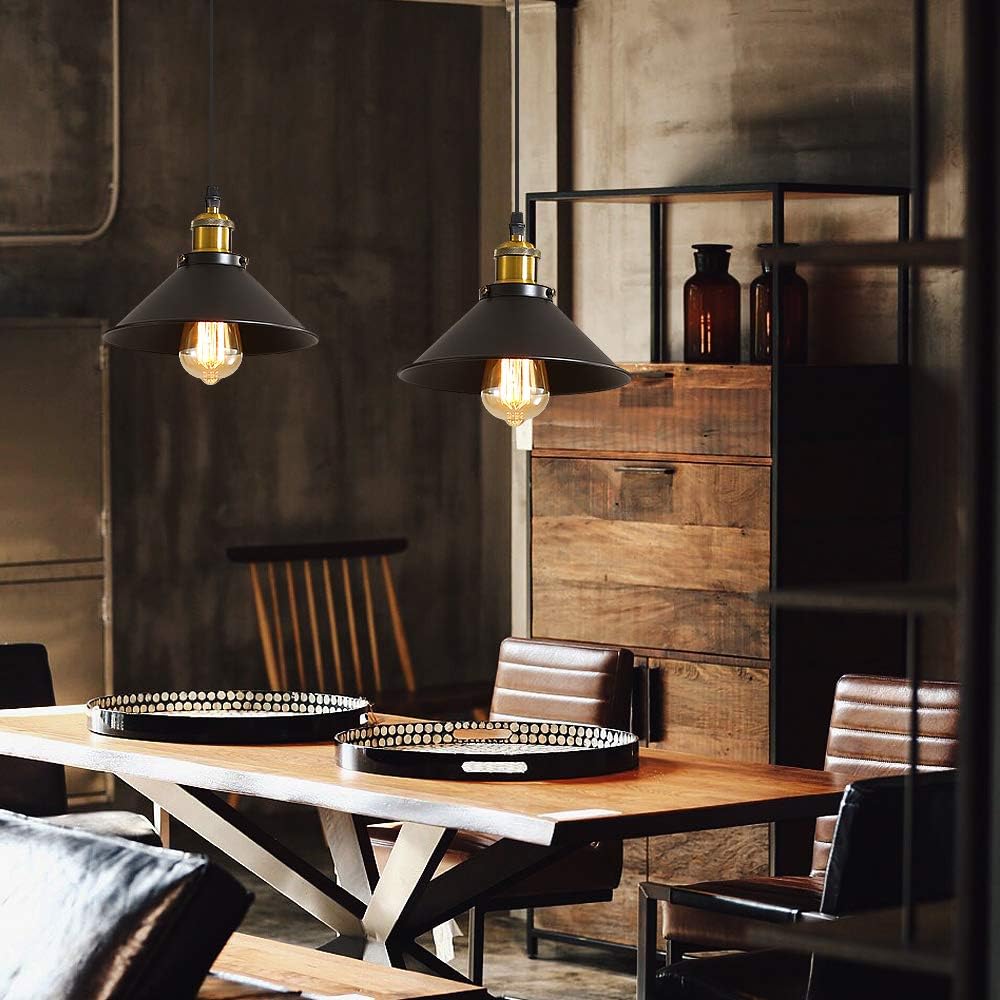
For a small kitchen, a slim LED ceiling light combined with under-cabinet lighting may already be enough. For an open kitchen, a pendant light above an island or dining area can add style and structure, as long as it does not block movement or visibility.
The key point is to avoid lighting that only comes from behind or above you. Important work areas should receive direct and even light. This is the most effective way to reduce shadows on the countertop, sink, and stovetop.
Conclusion
One ceiling light can provide basic brightness in a kitchen, but it is often not enough for comfortable cooking. When you stand in front of the countertop, shadows can appear exactly where clear light is needed most.
A better solution is to combine an LED ceiling light with under-cabinet lighting. A neutral white color temperature around 4000K, a high color rendering index, and easy-to-clean materials can make kitchen lighting much more practical.
By avoiding these common mistakes, your kitchen can become brighter, cleaner, and more comfortable. Without major renovation, a better lighting setup can make cutting, cooking, washing, and preparing food much easier every day.