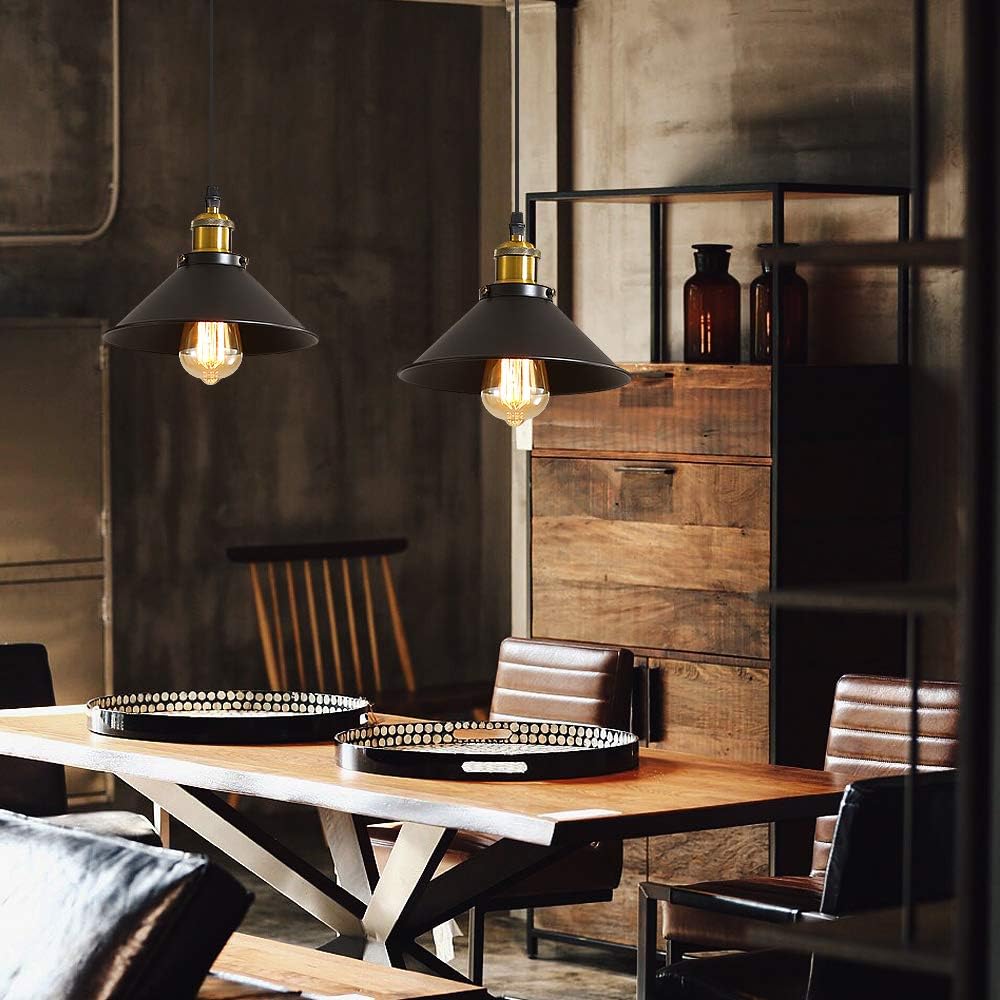
Does Minimalist Interior Design Need a More Sculptural Light Fixture?

In a minimalist room, every object carries more visual weight. A pale sofa, a timber table, a few plants and mostly empty walls leave very little competition for the lighting. Even a simple pendant can become one of the first things you notice.
That is why a sculptural light can work beautifully in one minimalist interior and feel unnecessary in another. The room may need a focal point, or it may already have one.
Why lighting becomes more visible in minimalist spaces
Decorative interiors spread attention across artwork, shelving, colour, textiles and accessories. Minimalist rooms remove many of those layers. The remaining objects are easier to read, including the light fixtures.
A 60 cm pendant may feel modest in a busy room but dominant in a quiet one. The fixture has not changed. The visual competition around it has.
A sculptural light can replace several decorative objects
Above a plain dining table, one well-chosen pendant can provide enough visual interest that the room does not need extra wall decor or small accessories.
This works best when the fixture has a clear silhouette and enough space around it. A wide dome, a linear pendant, a cluster of globes or a lightweight paper shade can behave almost like part of the architecture.
Design interest does not require complexity
A distinctive light does not need multiple arms, finishes and decorative details. Shape, proportion or material can do most of the work.
In compact minimalist rooms, complex fixtures often become too busy because there are so few other elements to dilute their presence. A simple form made from an interesting material can have more impact with less noise.
Look at the furniture before making the light the focal point
Minimalist furniture is not always visually quiet. A deep sectional, a large stone table or a wall of built-in cabinetry can already dominate the room.
Adding an equally strong pendant may create two competing centres of attention. If the furniture is slim and neutral, a stronger light can provide the structure the room lacks. If the furniture already has weight, a quieter fixture often balances it better.
Ceiling height changes the answer
Sculptural pendants need room around them. High ceilings give a large fixture enough vertical space to feel intentional. Under a low ceiling, the same light can reduce the sense of openness.
Flush mounts, shallow semi-flush fixtures and open-frame pendants often suit lower rooms better. The design interest can come from material, edge detail or light distribution rather than sheer volume.
Material can matter more than an unusual shape
Opal glass, matte metal, timber, paper and textile shades all work well in minimalist rooms because their surfaces are easy to read.
A simple opal globe or matte metal dome may feel more considered than a complicated fixture made from several finishes. Minimalism tends to expose material quality rather than hide it behind detail.
Decide whether the light should be the main focal point
Stand at the entrance to the room and notice where your eye goes first. A large window, artwork, fireplace, textured wall or distinctive table may already provide a clear focus.
If the room has no natural focal point, the light can take that role. If a strong feature already exists, the fixture can support it rather than compete.
Common mistakes in minimalist lighting
- Choosing a statement light only because the room feels empty.
- Ignoring the relationship between fixture diameter and table size.
- Using a large pendant under a low ceiling.
- Placing several statement fixtures within the same sightline.
- Prioritising shape while overlooking glare, brightness and everyday use.
A practical way to choose
Start with the strongest existing element in the room. If the furniture and architecture are quiet and the room has enough volume, a more expressive fixture can provide direction.
If the space is compact, low or already defined by a large piece of furniture, reduce the visual weight of the light. A clean form, suitable finish and comfortable light output are often enough.
FAQ
Does minimalist decor require minimalist lighting?
No. A sculptural fixture can work well as long as its scale and detail suit the room.
Can a statement pendant overwhelm a small room?
Yes, especially if it is wide, low or visually solid. Open structures and shallower fixtures usually feel lighter.
Can I use more than one statement light in an open-plan space?
You can, but they need different levels of visual importance. One main fixture with quieter supporting lights is usually easier to balance.
Which materials suit minimalist interiors?
Opal glass, matte metal, timber, paper and textile shades are useful because they add texture without introducing too many competing details.
Choose the fixture after deciding what the room already asks the eye to notice. Minimalist spaces can support either a strong sculptural light or a very quiet one when the scale and lighting function are right.