What Can You Do If Your Lights Feel Too Harsh? How to Reduce Glare at Home

A room can be bright and still feel uncomfortable. When light shines directly into your eyes, reflects off a glossy table or creates a harsh bright spot, the problem is glare. Glare can make an otherwise well-lit home feel tiring, especially in living rooms, bedrooms, kitchens and work areas.
What is glare in home lighting?
Glare happens when a light source is too bright compared with its surroundings, too visible, or positioned in the wrong direction. It can come from an exposed bulb, visible LED chips, a narrow spotlight, a shiny surface or a screen reflection.
1. The light source is directly visible
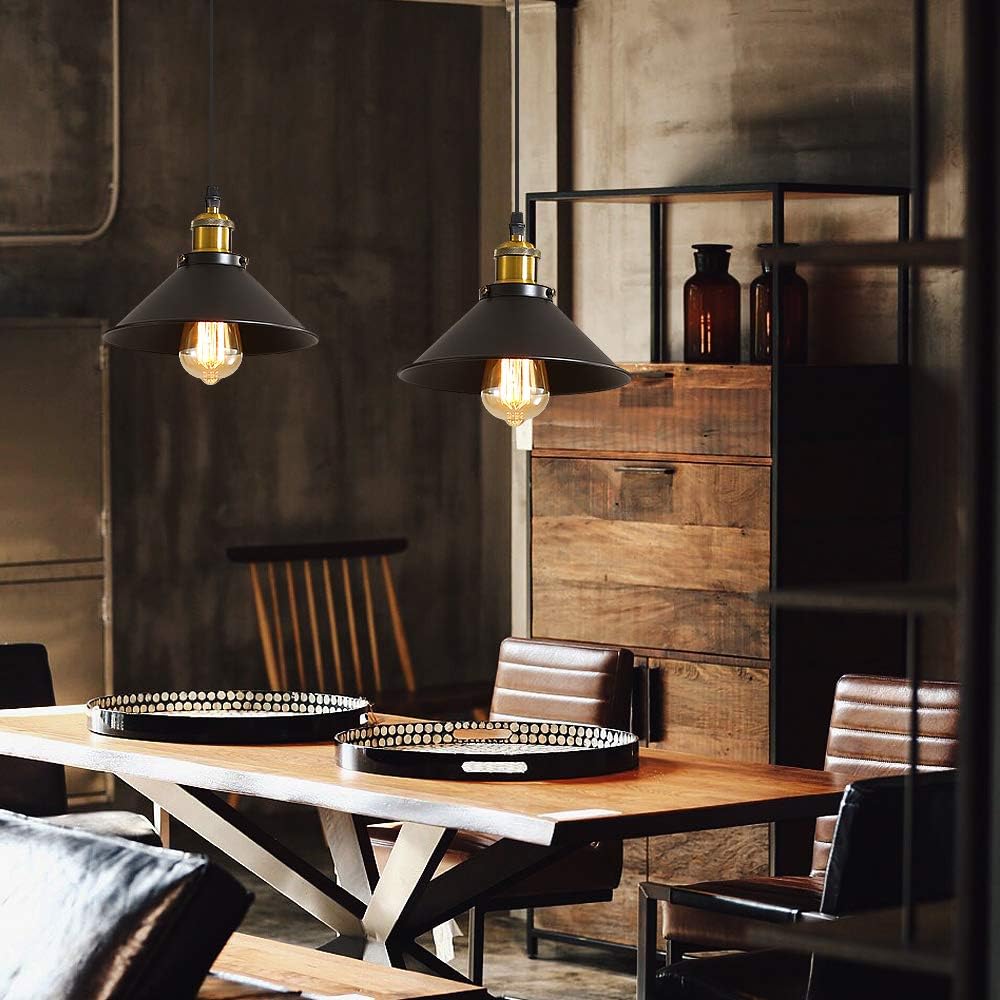
Exposed bulbs and visible LED points create a strong visual hotspot. Your eyes are naturally drawn to the brightest point in the room, which makes the light feel harsh even if the overall lumen output is not very high.
A frosted diffuser, fabric shade, opal cover or shielded fixture can soften the source and spread the light more comfortably.
2. The beam is too concentrated
A narrow beam creates a bright centre and darker surroundings. This contrast makes the light feel sharper. For living areas, bedrooms and hallways, broad and even light distribution is usually more comfortable than a tight beam.
3. The fixture is too bright for the room size
A small room with pale walls needs less light than a large open-plan space. If a fixture produces too many lumens for the area, the room may feel overlit. This is common in small bathrooms, narrow corridors and compact bedrooms.
4. Glossy surfaces create reflections
Glass tables, polished tiles, glossy cabinets, mirrors and TV screens can bounce light back toward your eyes. In this case, the fixture may not be the only problem. The reflection itself becomes the uncomfortable part.
5. Very cool light can feel harder
High-intensity cool white light often feels sharper than warm or neutral light. Warm white around 2700 K to 3000 K can feel softer in relaxing spaces. Neutral white around 4000 K can work well for task areas when the light is diffused properly.
How to reduce glare at home
- Choose fixtures with frosted or opal diffusers.
- Avoid exposed bulbs at eye level.
- Use several light sources instead of one very strong lamp.
- Point spotlights toward walls or work areas, not toward faces.
- Reduce reflections on glossy surfaces.
- Match colour temperature to the room’s use.
- Use dimmable lighting when the room has multiple purposes.
Which fixtures help reduce glare?
Ceiling lights with wide diffusers, pendant lamps with shades, indirect wall lights and floor lamps aimed toward a wall often create a softer effect. Bare bulbs, very narrow spotlights and overly bright LED panels can feel more aggressive if the room is not planned for them.
Room-by-room suggestions
- Living room: combine soft ceiling light, table lamps and indirect lighting.
- Bedroom: avoid visible LED points from the bed.
- Kitchen: light the worktop without shining into the eyes.
- Bathroom: use diffuse mirror lighting to reduce harsh face shadows.
- Home office: place lights to avoid screen reflections.
- Hallway: choose even light distribution instead of harsh single spots.
Common mistakes to avoid
- Choosing only the brightest fixture.
- Aiming spotlights directly at seating or beds.
- Using bare bulbs in relaxing areas.
- Ignoring reflections from tables, mirrors and screens.
- Using cool white light everywhere without softer layers.
FAQ
Does glare always mean the light is too bright?
No. The light may simply be too direct, too concentrated or poorly positioned.
Does a diffuser reduce brightness?
It may soften the light slightly, but it usually improves comfort by spreading the light more evenly.
Are spotlights always glaring?
No. They work well when the beam angle, direction and brightness match the space.
Is indirect lighting better?
Often yes, because the light bounces off a wall or ceiling before reaching the room, making it softer.
Conclusion
Reducing glare is not just about choosing a weaker bulb. Look at diffusion, beam angle, fixture height, reflections and how each area is used. A balanced mix of direct and indirect lighting can make a bright home feel much more comfortable.