Same 2000 Lumens: Why Do Two Lights Look Different in Brightness?

Two light fixtures both say 2000 lm on the product page. Once installed, one looks noticeably brighter. The other feels softer. The lumen figure may be identical, but the distribution of those lumens is not.
Lumens do not tell you where the light lands
Lumens measure total luminous flux. Lux describes how much light reaches a surface. In simple terms, 1 lux is 1 lumen per square metre when the light is distributed evenly.
1. Beam angle changes brightness perception
A narrow-beam spotlight concentrates light on a small area, so local illuminance can be high. A wide ceiling light spreads the same 2000 lm across more of the room. The centre looks less intense, but the overall room can be more even.
2. Mounting height changes illuminance
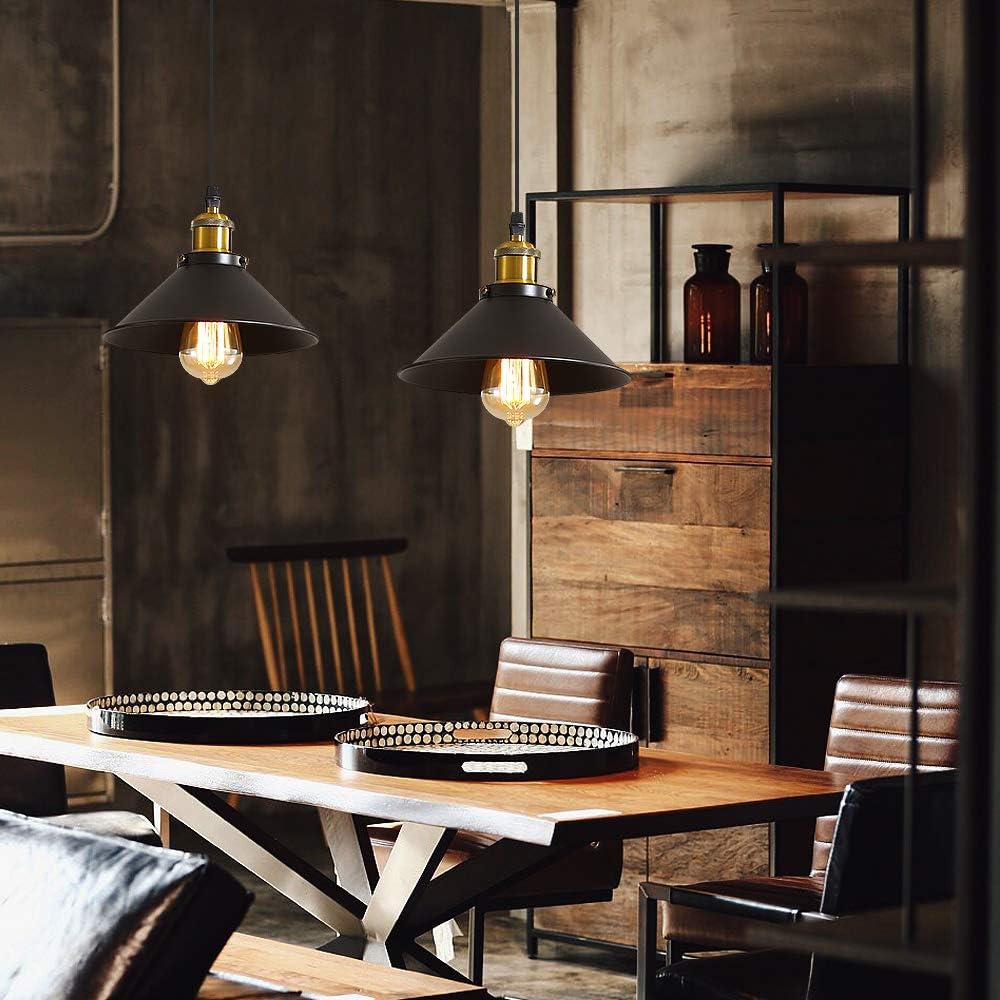
A pendant mounted close to a table puts more light on the tabletop than the same light mounted much higher. As distance increases, the beam spreads and illuminance at the surface drops.
3. Light-emitting area changes luminance and glare
A small bright source grabs attention and may look more powerful. A large diffuser spreads the same output across a bigger surface and usually looks softer. The smaller source can feel brighter simply because it is more glaring.
4. Shades and diffusers change usable output
Opal glass, frosted acrylic and enclosed shades can absorb or redirect part of the light. Specification wording matters too. Some listings quote LED-source lumens, while others quote luminaire lumens measured after the diffuser and housing.
5. Room surfaces reflect or absorb light
White walls, pale ceilings and light floors return more light into the room. Dark walls, heavy curtains and deep-coloured furniture absorb more. The same 2000-lumen ceiling light can therefore feel much brighter in a pale room.
6. Light direction matters
A fixture that sends most of its light downward can deliver high useful illuminance on a table or worktop. A wall light that sends much of its output upward can create a softer room with lower direct illuminance.
7. Colour temperature affects perception
At the same lumen output, cooler light can feel crisper in some white or grey interiors, while warm light often feels softer. This changes perception, not total luminous flux.
8. Uniformity changes the impression
One fixture may have a very bright centre and weaker edges. Another may distribute the same 2000 lm more evenly. The first often looks more powerful at a glance; the second may light the whole room more consistently.
9. Room size still matters
2000 lm in an 8 m² room is not the same as 2000 lm in a 25 m² room. Ceiling height and room function also change what feels adequate.
What should you check besides lumens?
- Beam angle or diffusion type.
- Mounting height.
- Size of the light-emitting surface.
- Shade or diffuser design.
- Direction of light.
- Room size and surface colours.
- Colour temperature.
- Whether the specification is source lumens or delivered luminaire lumens.
Common mistakes
- Comparing fixtures only by the lumen number.
- Confusing glare with useful brightness.
- Ignoring ceiling height.
- Ignoring dark walls and furnishings.
- Assuming every brand reports lumens on the same basis.
FAQ
Should two 2000-lumen lights produce the same lux?
No. Lux depends on distance, beam angle and the area receiving the light.
Is the light that looks brighter always better?
No. It may simply concentrate the light more strongly or create more glare.
For a kitchen, should I focus on lumens or lux?
Lumens tell you total available light. For a worktop, local illuminance and light direction are especially important.
Conclusion
2000 lumens describes a quantity of light, not a guaranteed visual result. To compare two fixtures properly, look at how the light is distributed, how far it travels and what surfaces receive it.