Should Lighting Be the Star or a Supporting Element? The Answer Changes from Room to Room

A sculptural pendant can look perfect in an interior photograph. That does not mean every room needs one. Lighting can define a zone, direct the eye or quietly provide the illumination a room needs while furniture and architecture take priority.
The useful question is how much visual responsibility the fixture should carry. If a sofa, fireplace, artwork or large window already dominates the room, another strong focal point can make the space feel crowded. In a very restrained interior, a distinctive light may provide the structure that is missing.
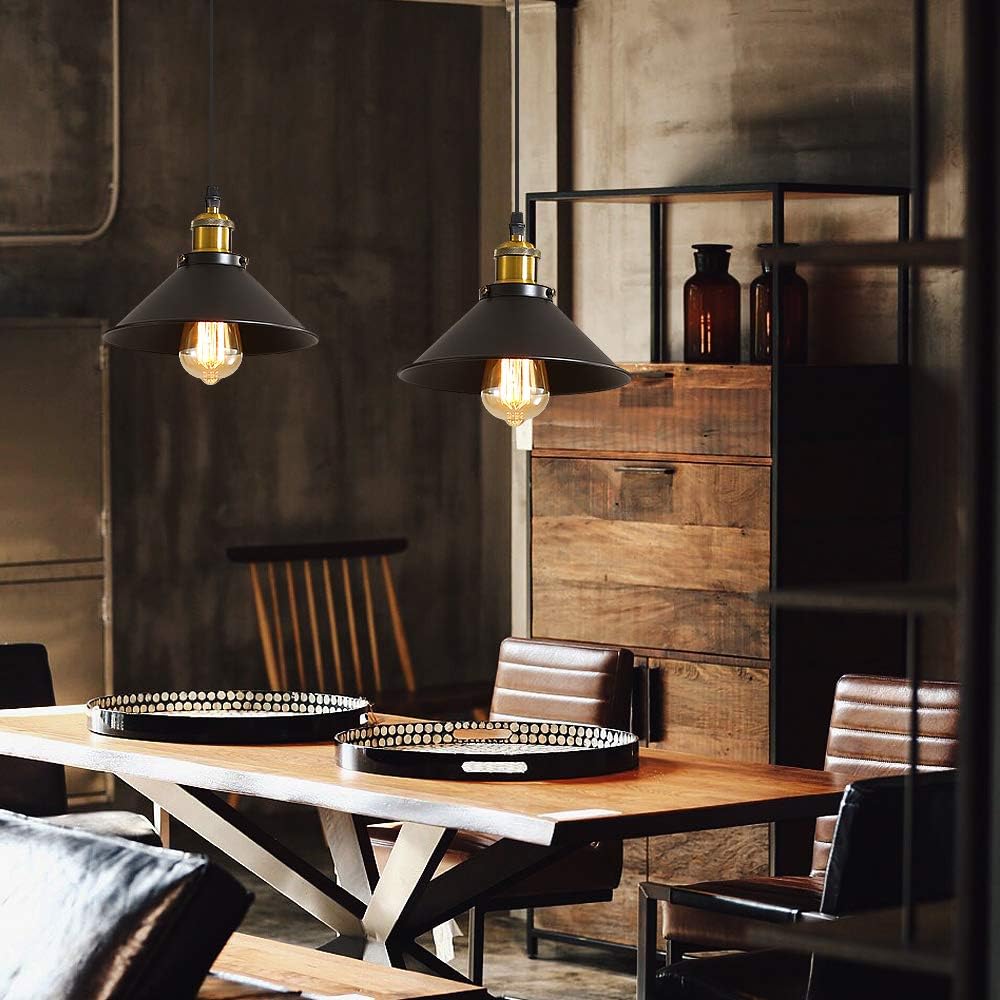
Over a dining table, lighting can naturally become the focal point
A dining table already gives a pendant a clear position. The vertical relationship between the table and fixture helps define the dining zone, especially in an open-plan room.
A strong shape works well when the table and chairs are relatively quiet. If the room already has colourful seating, a large sideboard and bold artwork, a simpler pendant can keep those elements from competing.
In the living room, look at what already leads the space
Living rooms often contain several possible focal points: a sofa, television, fireplace, shelving wall, picture window or artwork. The ceiling fixture does not automatically need to become another one.
In a sparse living room, a well-scaled statement light can give the room a clear identity. In a busier room, a simple ceiling light or layered floor and wall lighting often leaves more breathing space around the furniture.
Bedrooms often benefit from quieter lighting
The bed usually carries the most visual weight in a bedroom. A large pendant can work in a high-ceilinged room with little furniture, but in a compact bedroom it may make the ceiling feel unnecessarily busy.
Bedside wall lights, small pendants or a low-profile ceiling fixture can support evening use without competing with the headboard, textiles and wall colour.
In the kitchen, function often keeps most lighting in a supporting role
Kitchens need clear light on work surfaces and good general visibility. Cabinets, appliances, shelving and extractor hoods already occupy a lot of visual space.
A decorative pendant can work above an island or dining table, while the rest of the lighting stays simple. One strong fixture is often enough to give the room character without making every light a design feature.
High ceilings can handle more visual weight
A small fitting can disappear in a tall room. A wider or lower pendant fills vertical space and visually connects the ceiling with the furniture below.
The same fixture beneath a low ceiling may feel heavy. Slim, shallow or open forms preserve more apparent height and keep the upper part of the room quieter.
A focal-point fixture does not have to be complicated
Scale, silhouette, contrast and position create presence. A large plain dome can dominate more than a small fixture covered in decorative details.
A crisp black disc against a white ceiling, a long linear pendant above a table or a large opal globe can all organise a room with very little ornament.
Open-plan spaces need a hierarchy between fixtures
If the kitchen, dining area and living room are visible at the same time, three decorative fixtures can compete across one sightline. The layout is usually easier to read when one zone gets the main lighting accent.
The dining pendant might take the lead while kitchen lights remain discreet and the living area relies on indirect light. In another home, the living-room fixture could become the main feature instead.
How to decide whether the fixture should stand out
- Notice what catches your eye first when you enter the room.
- Identify furniture or architectural features that already dominate.
- Compare the fixture size with the available room volume.
- Avoid several equally strong focal points in one sightline.
- Use expressive fixtures where a zone needs clearer definition.
- In small or task-heavy spaces, prioritise useful light before decoration.
FAQ
Does a modern living room need a statement light?
No. If the view, architecture or furniture already provides a strong focal point, a quieter fixture can produce a better balance.
Can several decorative lights work in the same room?
Yes, if they have different levels of visual presence. Several fixtures that all demand equal attention can quickly compete.
Where does a highly sculptural pendant work best?
A dining area, stairwell or tall room with relatively little visual clutter usually gives it enough space.
Can a simple ceiling light work in a highly designed interior?
Yes. A restrained fixture can leave more attention for furniture, materials and artwork.
Decide what should lead the eye before choosing the light. If the room already has a clear focal point, the fixture can support it. If the space feels visually flat, lighting can provide the anchor.