Why Do Light and Dark Furniture Need Different Lighting Choices?

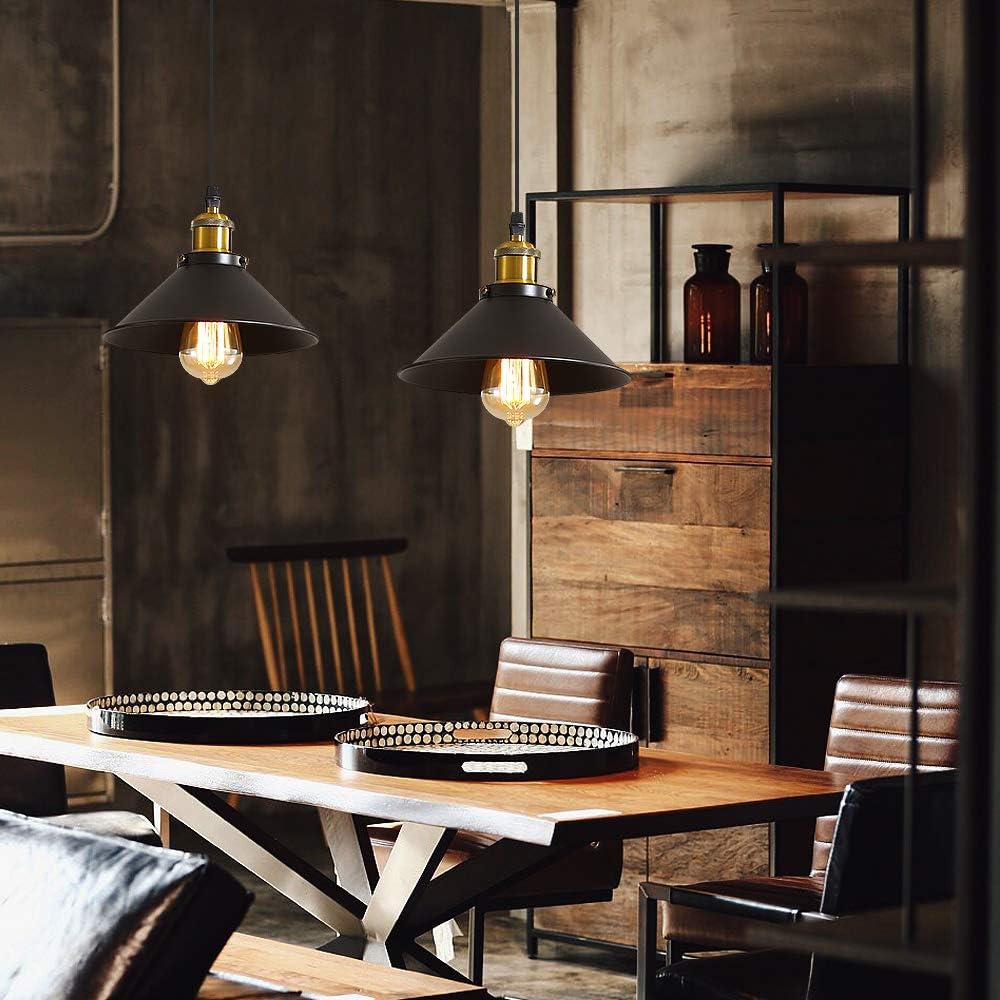
A light fixture is never seen on its own. Sofas, tables, cabinets, flooring and walls all change how its colour and light are perceived. A black pendant may look crisp in a pale room but almost disappear among walnut furniture, charcoal upholstery and a dark floor.
1. Light furniture reflects more light
White, beige, pale oak and light neutral fabrics return more light into the room. This makes moderate general lighting feel more effective and gives darker fixtures room to create contrast.
2. Dark furniture absorbs more light
Walnut, black, dark brown and charcoal absorb more light. The same lumen output can feel dimmer. Better diffusion and more than one light source often work better than simply increasing wattage.
3. Contrast matters more than exact matching
A black pendant over a black table may lose definition against a dark background. Brass, smoked glass, cream or opal glass can separate the forms while keeping the palette coherent.
4. Material changes visual weight
Matte black feels heavier than satin metal. Clear glass feels lighter than an opaque shade of the same size. With dark furniture, materials that return a little light help keep the ceiling from feeling too heavy.
5. Colour temperature changes furniture tones
Warm light around 2700K to 3000K strengthens honey, walnut, beige and cream. Neutral light around 4000K makes grey, white and stone finishes look cleaner. If the furniture is already very warm, very yellow light can make the room feel overly heavy.
6. Pale furniture supports stronger fixture shapes more easily
A large black pendant or graphic ceiling fixture can become a focal point in a pale interior. In a dark room, the same fixture may dominate. A thinner frame or translucent shade is often more balanced.
7. Look at the whole room
A dark sofa with white walls and a pale floor behaves very differently from a dark sofa with brown flooring, heavy curtains and black shelving. The total amount of dark surface matters.
Combinations that often work
- Pale timber + white walls: matte black, bronze, rattan or deep green.
- Beige furniture + pale floor: brass, warm white, smoked glass.
- Walnut + light walls: opal glass, brass, slim black or cream.
- Charcoal + dark floor: white diffusers, clear glass and layered lighting.
Common mistakes
- Making every element exactly the same colour.
- Using a dark opaque shade in an already dark room.
- Using very yellow light with already warm furniture.
- Looking only at the sofa and ignoring floors and walls.
FAQ
Can black fixtures work with dark furniture?
Yes, especially when the room has enough pale surfaces or the fixture has a slim structure.
Does brass work well with dark furniture?
It often creates useful contrast with walnut, black and charcoal.
Do light-coloured rooms need less light?
They reflect more light, but actual needs still depend on room size and use.
Conclusion
Light and dark furniture change reflection, contrast and the visual weight of a fixture. Choose lighting by deciding whether the fixture should blend in, create contrast or make the room feel lighter.