Limited Renovation Budget: Where Should You Spend More on Lighting?

Lighting is one of the easiest renovation costs to underestimate. A room may need a main ceiling light, task lighting, bedside lights, wall lights and decorative pieces. When the budget gets tight, it helps to decide which parts affect daily use and which parts are mainly visual.
Start with the rooms that stay lit for hours
The living room, kitchen, main bedroom and work area usually deserve the strongest budget. You spend more time there, and poor light is harder to ignore. A beautiful fixture in a hallway matters less than uncomfortable light above the sofa or kitchen counter.
1. Spend on light quality before complicated design
A simple fixture with even diffusion can be a better purchase than a sculptural design with harsh hotspots. Check lumens, colour temperature, colour rendering when available, diffuser quality and whether the light spreads where you need it.
2. Integrated LED fixtures depend heavily on the driver
The driver powers the LED module. A weak or poorly matched driver can cause flicker, slow starting, buzzing or thermal shut-off. In a fixture used every evening, paying for a more stable electrical design can improve daily experience more than a decorative finish.
3. Put more money into positions that are difficult to change later
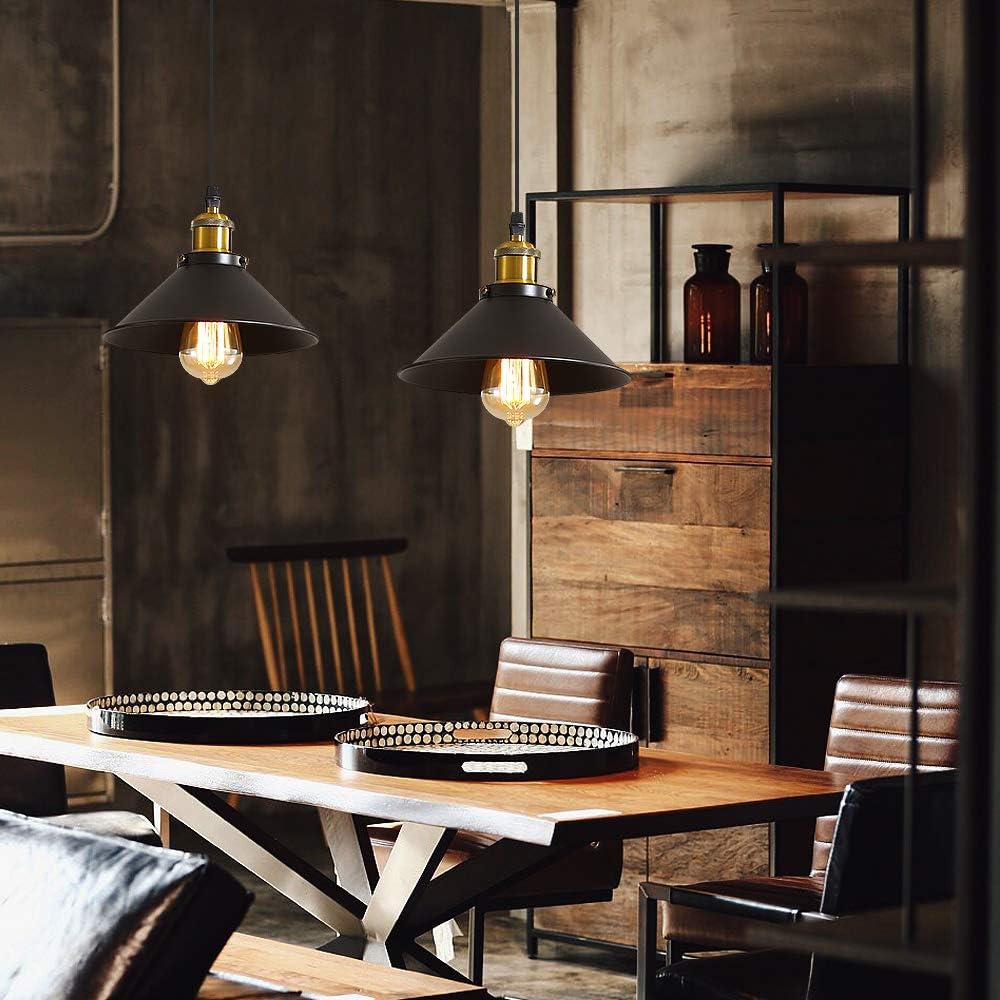
A dining pendant, a ceiling light on a finished ceiling or a wall light with a fixed electrical point is expensive to move after renovation. Before buying, check dimensions, canopy size, mounting holes, fixture weight, cable length and ceiling compatibility.
4. Kitchens and bathrooms need practical spending
In the kitchen, good task light and easy-clean surfaces matter. In the bathroom, the fixture must suit its installation zone and appropriate IP requirements. These practical details usually deserve budget before decorative extras.
5. Secondary decorative lights can stay simpler
A side lamp, accent wall light or small decorative pendant does not have to cost as much as the main fixture. Standard lamp holders with replaceable bulbs can also keep future changes easy and inexpensive.
6. Do not pay for features you will rarely use
Remote controls, apps, memory, stepless dimming and colour-changing modes can be useful. If you always use one brightness and one colour temperature, those features should not consume a large part of a limited budget.
7. Keep money aside for installation
A cheap fixture stops being cheap if it needs a relocated electrical point, ceiling repair, special anchors or extra hardware. Include installation, mounting accessories and any ceiling work in the lighting budget from the start.
A practical priority order
- High priority: living room, kitchen, main bedroom and work area.
- Medium priority: dining area, entrance and frequently used hallway.
- Lower priority: rarely used passages and purely decorative secondary lighting.
Where can you save without losing much comfort?
- Choose a clean, simple shape instead of a complex decorative structure.
- Use standard finishes instead of expensive surface treatments.
- Choose replaceable bulbs when smart functions are unnecessary.
- Use one statement fixture in the most visible area rather than several.
Common mistakes
- Spending most of the budget on one dramatic chandelier while leaving the rest of the room poorly lit.
- Comparing fixtures only by wattage.
- Buying the cheapest main light for a room used every day.
- Paying for smart features without a clear use case.
- Forgetting installation costs.
FAQ
Does the living room main light need to be expensive?
No. It needs to be correctly sized, comfortable, bright enough and compatible with the room and ceiling.
Where should I spend first if the budget is very tight?
Start with the room you use most and with fixed lighting points that would be difficult to change after renovation.
Can replaceable bulbs save money?
They can make future changes cheaper because you can replace the light source without replacing the entire fixture.
Are smart features worth the extra cost?
Only if you will use them. If not, spend the difference on better light distribution, installation or another useful light source.
Conclusion
With a limited renovation budget, spend on the parts you notice every day: comfortable light, stable operation, installation compatibility and the rooms used most often. Decorative complexity and optional features can come later.