How to Choose Lighting Based on Furniture Style and Avoid a Mismatched Look

A light fixture can look attractive online, but feel wrong once it is installed above a dining table, beside a sofa or in a bedroom. This usually happens when the light is chosen as a separate object rather than as part of the room. Furniture style, material, colour and scale all affect whether the lighting feels natural or out of place.
Why can lighting look mismatched with furniture?
The mismatch often comes from a lack of visual connection. A heavy industrial pendant above a delicate classic table, a shiny gold ceiling light in a very minimal room, or a bulky wall light next to slim furniture can feel disconnected. The fixture may be beautiful, but it speaks a different design language from the room.
1. Start with furniture lines
Look at the shapes already in the room. Straight furniture works well with clean ceiling lights, geometric pendants, linear wall lights and simple metal forms. Curved sofas, round tables and softer furniture can pair better with globe lights, rings, drum shades or oval shapes.
2. Match materials without making everything identical
A room rarely looks natural when every surface is the same. The better approach is to create a link. Light wood furniture can work with matte white, natural fabric, rattan, pale wood or quiet black accents. Furniture with metal legs or handles can support black, chrome, brushed nickel or brass lighting.
3. Repeat colours with intention
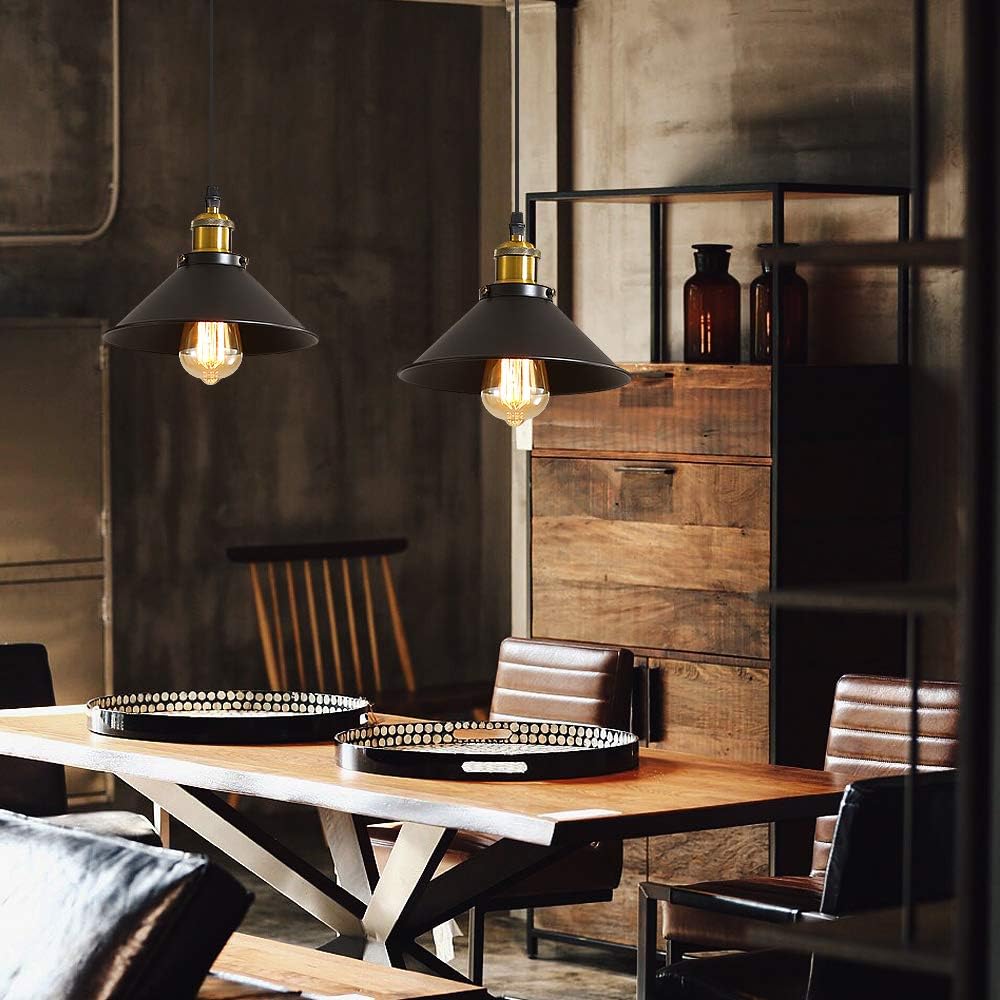
A black pendant over a pale wood table can look strong and balanced if black also appears in chair legs, picture frames, cabinet handles or curtain rods. The same applies to brass, chrome, white or wood tones. A single bold finish with no repeat can look accidental.
4. Choose by interior style
- Modern interiors: simple shapes, black, white, chrome, LED rings and clean lines.
- Scandinavian interiors: light wood, matte white, fabric shades, rounded forms and soft light.
- Industrial interiors: black metal, cage shades, visible bulbs and workshop-style details.
- Classic interiors: opal glass, muted brass, fabric shades and balanced shapes.
- Natural interiors: rattan, bamboo, wood, woven textures and warm diffused light.
- Contemporary elegant interiors: glass, black or brass metal, restrained shapes and neat details.
5. Match the scale of the furniture
A small pendant over a large dining table can look lost. A wide chandelier in a compact living room can make the space feel heavy. Compare the fixture diameter, height and visual weight with the table, sofa, bed, cabinet or kitchen island.
6. Consider how the room is used
A light can match the furniture visually but still be uncomfortable. In a living room, avoid strong direct light near the sofa. Over a dining table, choose lighting that makes the table useful without overwhelming it. In a bedroom, a calm shape may work better than a busy decorative fixture.
Checklist before buying
- Does the fixture repeat the lines of the furniture?
- Does the finish appear elsewhere in the room?
- Is the size right for the table, sofa, bed or zone?
- Does the light colour support the atmosphere?
- Does the fixture still look right when switched off?
- Does the room need a focal point or a quieter fixture?
Common mistakes to avoid
- Choosing a light only because it looks good by itself.
- Mixing too many strong styles in one room.
- Adding a very decorative light to a room that is already visually busy.
- Choosing a metal finish that appears nowhere else.
- Ignoring ceiling height and furniture size.
- Copying an inspiration photo without considering your own room.
FAQ
Should the light fixture be the same colour as the furniture?
Not necessarily. Contrast can work well, but the colour or material should connect to another detail in the room.
What lighting works with light wood furniture?
Matte white, fabric, rattan, pale wood and subtle black finishes often work well with light wood furniture.
Can modern lighting work with classic furniture?
Yes, especially if the fixture is simple and shares a colour, material or balanced shape with the room.
How do I keep a light from looking too dominant?
Check diameter, height and visual weight. A slimmer shape or repeated finish usually feels easier to integrate.
Conclusion
Choosing lighting based on furniture style helps avoid a room that feels disconnected. The right fixture is not just the one that looks good in a product photo. It should relate to the furniture lines, materials, colours, proportions and daily function of the space.