Is Installing a Ceiling Light in the Exact Centre of a Room Always the Best Choice?

When installing a ceiling light, many people instinctively place it in the exact centre of the room. It looks balanced and simple on a floor plan. But in real homes, the centre of the room is not always the place where light is most needed.
The centre of the room is not always the centre of use
A room is not an empty rectangle. It has furniture, walkways, seating areas, tables, cabinets and activity zones. The best light position should follow how the space is actually used, not only the geometric centre of the ceiling.
1. In a living room, the seating area matters most
A centred ceiling light may sit above an empty part of the room while the sofa, coffee table or TV area is offset. If the seating area is the main zone, the light should support that area rather than simply mark the centre of the ceiling.
2. In a dining room, the table should guide the light
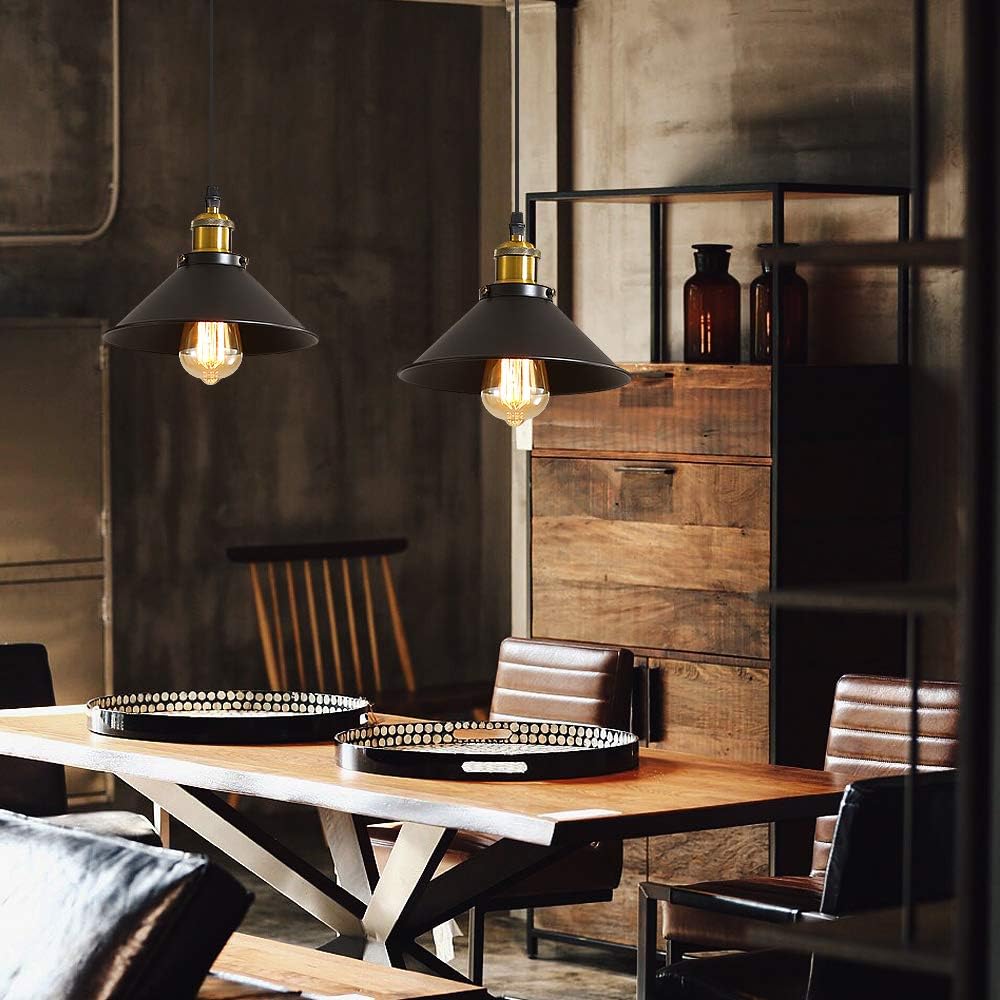
For dining spaces, the table is usually the visual and functional centre. If the dining table is not exactly in the middle of the room, a pendant or ceiling light centred on the room may look misplaced. Aligning the light with the table is often more practical.
3. In a bedroom, direct overhead light can be uncomfortable
A ceiling light in the middle of a bedroom is often above the bed. When lying down, direct light can feel too strong. Bedside lamps, wall lights or softer diffused lighting can make the room more comfortable.
4. In a kitchen, work surfaces need priority
A single ceiling light in the middle of the kitchen may light the floor but leave the countertop in shadow. When someone stands at the counter, their body can block the light. The sink, cooking area and preparation surface often need additional task lighting.
5. Furniture can create shadow zones
Tall cabinets, shelves, islands and partitions can block or absorb light. Even a well-centred fixture cannot illuminate every area evenly if furniture interrupts the light path.
6. Long or irregular rooms often need more than one light point
In a long room, one central light can create a bright middle and darker ends. In L-shaped rooms or open-plan areas, several light sources often work better than one fixture placed in the centre.
When is the centre still a good choice?
- Small, nearly square rooms with simple furniture.
- Short hallways or entrance areas.
- Rooms where the ceiling light is only general lighting.
- Spaces where the main activity zone is truly central.
- Wide-diffusion fixtures that spread light evenly.
How to choose a better position
- Identify where light is actually needed.
- Look at the position of the main furniture.
- Check walkways and clearance.
- Consider the shape of the room.
- Watch for shadows caused by tall furniture.
- Add secondary lighting if one ceiling light is not enough.
- Choose the fixture size and beam spread for the real lighting zone.
Common mistakes to avoid
- Automatically placing the light in the centre without considering furniture.
- Centering a pendant on the room instead of the dining table.
- Using more brightness to compensate for poor placement.
- Ignoring dark corners in long rooms.
- Forgetting task lighting in kitchens, desks and reading areas.
Conclusion
Installing a ceiling light in the centre of the room can be a good solution, but it is not always the best rule. The right position depends on room shape, furniture layout and how the space is used. A slightly offset light, or a combination of ceiling light and secondary lighting, can often create a more comfortable result.