Which Lighting Product Page Parameters Matter Most, and Which Are Only Rough References?

A lighting product page may include wattage, lumens, recommended area, material, colour temperature, dimensions, lifespan and installation notes. It looks detailed, but some details matter much more than others. The real question is simple: will the fixture fit your room, install correctly and feel comfortable in daily use?
Why specifications should not be read equally
Many mistakes happen because shoppers focus on the product image or a single number. A fixture can look attractive but be too small, too cool, too dim, too heavy or difficult to install. The most useful specifications are the ones that directly affect scale, brightness, comfort and compatibility.
The most important parameters
1. Real dimensions
Diameter, length, width, height, thickness and canopy size should be checked first. For pendant lights, cable length matters. For ceiling lights, thickness and base diameter matter. For wall lights, projection from the wall matters because it can affect movement in narrow spaces.
2. Lumens, not only watts
Watts mainly describe electrical power or consumption. Lumens are more useful for visible brightness. Two fixtures with the same wattage can feel different because of LED quality, diffuser material, shade shape and beam spread. For brightness, lumens are the better starting point.
3. Colour temperature
Colour temperature changes how a room feels. Warm light often works in living rooms, bedrooms and dining areas. Neutral light can be useful in kitchens, offices and hallways. Cool light may feel brighter, but it can be uncomfortable in resting areas. Product photos can be edited; Kelvin values are more concrete.
4. Replaceable bulb or integrated LED
A fixture with an E27, E14 or GU10 bulb gives flexibility. You can change brightness, colour temperature or bulb brand later. Integrated LED fixtures can be slimmer and cleaner, but they depend more on the built-in LED module and driver. This affects long-term maintenance.
5. Installation details
Weight, mounting method, canopy size, voltage, cable length and ceiling compatibility should be checked before ordering. A fixture may look right but fail in practice if the canopy does not cover old marks or if the pendant does not align with the table.
6. Control method
Wall switch, remote control, app control, dimming and memory function are not the same. If the fixture is dimmable, check whether it works with a wall dimmer or only with its own remote. This small detail affects daily use.
7. Material and diffuser
Material affects more than appearance. Metal, aluminium, acrylic, glass and fabric change weight, maintenance and light distribution. The diffuser is especially important because it can soften glare, but it may also reduce visible brightness.
Useful but limited parameters
Recommended area
Recommended area is a guide, not a guarantee. Dark walls, high ceilings, enclosed shades and complex layouts can require more light. A bright small room may need less.
Style labels
Words such as modern, industrial, vintage or Scandinavian are helpful for filtering, but they do not prove the fixture will match your room. Colour, size, finish and shape are more reliable.
Lifespan claims
Lifespan is an estimate. Heat, driver quality, ventilation and switching frequency can change real-world performance. It should not be treated as an exact promise.
Lifestyle photos
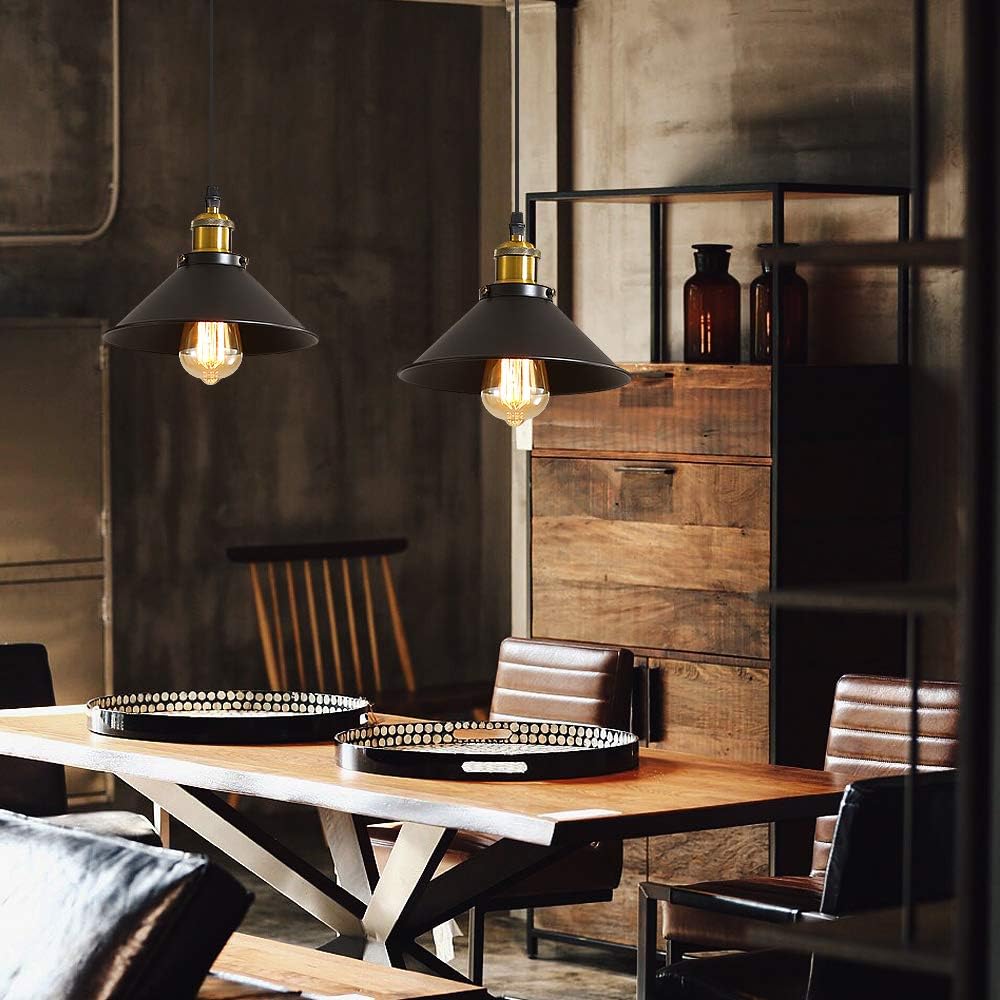
Photos help you understand the visual style, but they may include daylight, extra lamps, high ceilings or post-processing. Always compare photos with actual measurements and lighting data.
Checklist before buying
- Compare fixture dimensions with the room and furniture.
- Use lumens as the main brightness clue.
- Check Kelvin values for the intended room mood.
- Confirm whether the light source is replaceable or integrated.
- Check canopy size, weight and mounting method.
- Read the control and dimming details carefully.
- Treat recommended area as a starting point, not a final answer.
FAQ
Is wattage enough to compare brightness?
No. Lumens and light distribution are more useful for judging visible brightness.
Can I trust the recommended area?
Use it as a rough guide. Ceiling height, wall colour and room function can change the result.
Which specifications should I check first?
Start with dimensions, lumens, colour temperature, installation and light source type.
Are product photos useless?
No. They are useful for style, but they should not replace measurements and specifications.
Conclusion
The most important lighting product page parameters are the ones that affect fit, brightness, comfort and installation. Dimensions, lumens, colour temperature, light source type, mounting details and control method should come first. Style labels, recommended area and lifestyle photos are still useful, but only as supporting information.