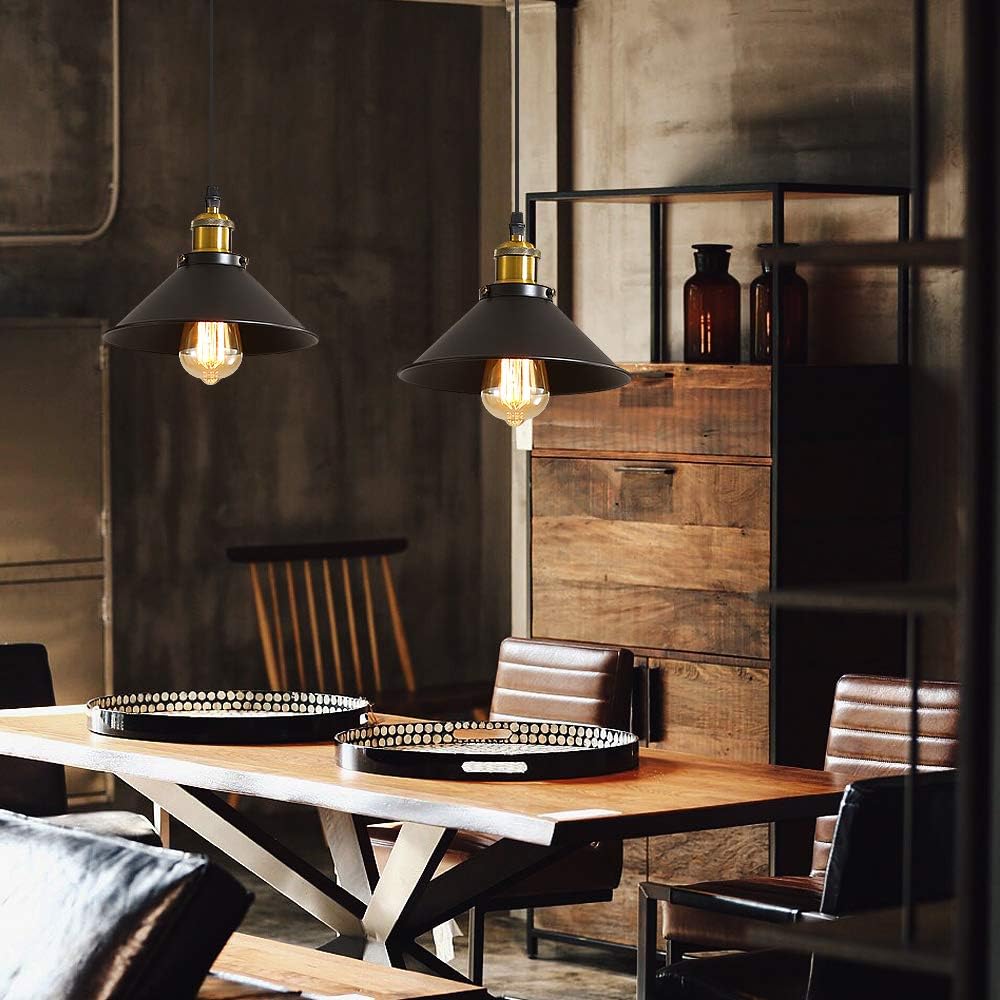
Why You Should Not Choose a Light Fixture by Appearance Alone

A light fixture can look perfect in a product photo and still feel wrong after installation. The problem is often not the style. It is the information people skip: lumens, colour temperature, diffuser type, glare, driver quality, dimensions and installation details. When a light is chosen only because it looks good, the room may end up too dim, too harsh, too cold or simply uncomfortable.
Appearance creates interest, but specifications decide comfort
Photos show shape, colour and mood. They rarely show how the light behaves in a real room with your ceiling height, wall colour, furniture and daily habits. Two fixtures with a similar design can produce very different results if one spreads light widely and another sends a narrow beam downward.
1. Lumens matter more than watts
Many buyers still use wattage to judge brightness. With LED lighting, this is not reliable. Watts tell you mainly about energy use. Lumens tell you how much light the fixture produces. A bedroom, kitchen, hallway and living room do not need the same amount of light.
2. Colour temperature changes the whole room
Warm light can make a bedroom or living area feel softer. Neutral light often works better in kitchens, offices and passage areas. Very cool light may look bright, but it can feel harsh in a relaxing room. Check whether the fixture is 3000K, 4000K, 4500K, 6500K or adjustable.
3. Glare depends on the diffuser and light direction
A fixture can be bright and still uncomfortable. Exposed LED points, a small glowing surface, a clear shade or light aimed at eye level can cause glare. Look for the diffuser type, shade depth and how the light is directed.
4. The LED driver affects stability
For integrated LED fixtures, the driver is not a small detail. It controls the power supplied to the LEDs. A poor or mismatched driver can lead to flicker, delayed start, buzzing, uneven brightness or early failure symptoms.
5. Real dimensions prevent installation surprises
A fixture that looks balanced online may be too large for a small room or too small for a large living area. Check diameter, length, height, canopy size and ceiling clearance. For pendants, cable length and height adjustment matter as much as the design.
6. Materials change maintenance and light quality
Glass, acrylic, metal, wood and fabric do not behave the same way. Acrylic often softens light. Glass can look clear but may show dust. Fabric creates a warm mood but can reduce brightness. Metal can direct light more strongly. Choose materials according to the room, not only the look.
7. Room function should come first
A decorative pendant may be perfect over a dining table but weak for a kitchen worktop. A powerful ceiling light may work in an entrance but feel too direct in a bedroom. Decide whether the fixture is for general light, reading, dining, working, ambience or passage lighting.
What to check before buying
- Lumen output, not only wattage.
- Colour temperature and available modes.
- Diffuser type, beam angle and glare risk.
- Fixture size, canopy size and installation height.
- Driver type, dimming support and remote compatibility if needed.
- Material, cleaning needs and room environment.
- IP rating for damp areas.
Common mistakes
- Choosing a fixture because it matches an inspiration photo.
- Confusing wattage with real brightness.
- Ignoring colour temperature.
- Not measuring the ceiling base or canopy area.
- Using a decorative fixture where task lighting is needed.
- Forgetting that dark walls and thick shades absorb light.
FAQ
Does a more expensive light always perform better?
No. Price may reflect design, brand or material. Brightness, comfort and suitability still need to be checked.
Should I compare watts or lumens?
Use lumens to compare brightness. Watts mainly describe energy consumption.
Can a beautiful fixture be uncomfortable?
Yes. It may glare, feel too cold, cast uneven shadows or provide too little light for the room.
What should I check first?
Start with the room function, then check lumens, colour temperature, dimensions and light distribution.
Conclusion
Appearance matters, but it is only one part of choosing a light fixture. A good purchase should fit the room, provide enough light, feel comfortable to look at and be practical to install. Hidden specifications often decide whether a light is only good in a photo or actually good at home.