Why Is It Easy to Make Mistakes When Buying Lights Online? Common Photo-Based Traps

A light fixture can look perfect on a product page: elegant, bright and well matched to the room. After installation, the result may feel different. The fixture is smaller than expected, the light is too cold, the finish looks darker, or the pendant does not suit the table. Many online lighting mistakes come from trusting photos more than measurements and lighting data.
Why product photos can be misleading
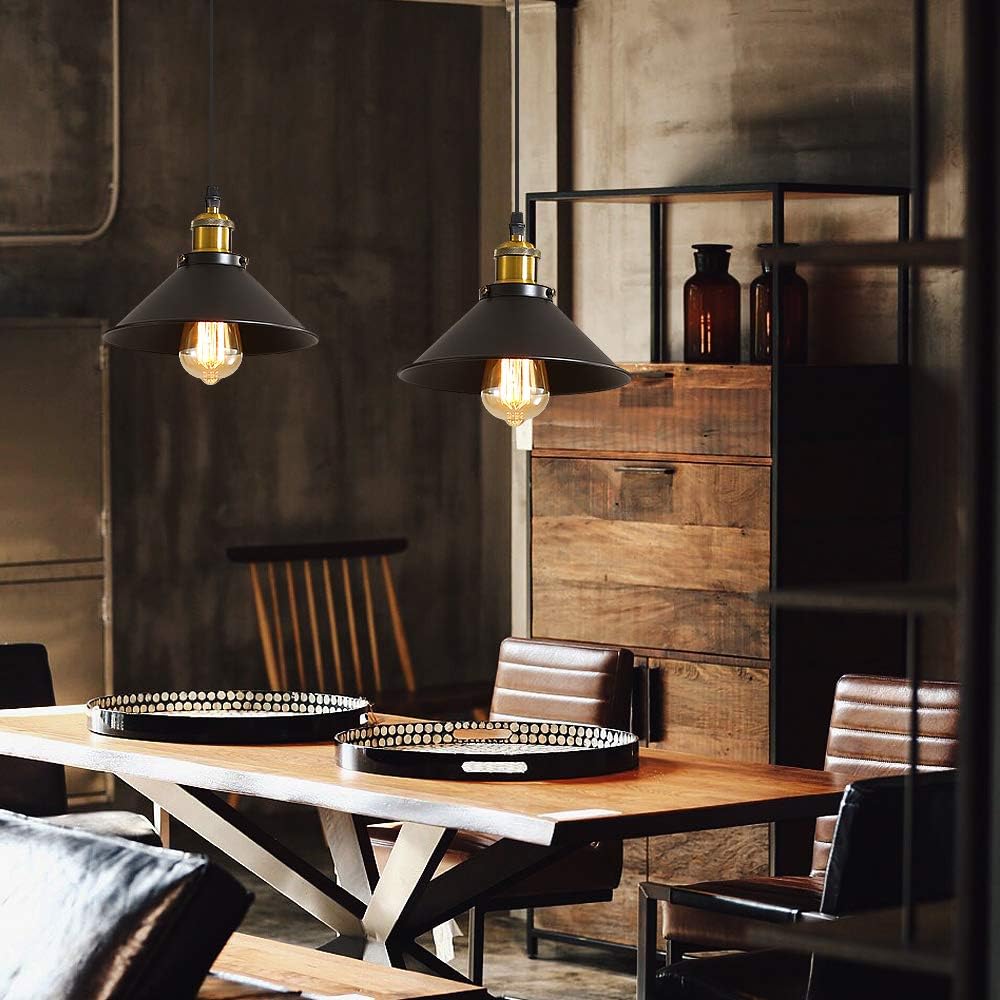
A product photo shows the fixture in a controlled setting. The room may have large windows, extra lamps, high ceilings, pale walls and professional editing. This does not mean the fixture will look the same in your room. Treat photos as style references, not as technical proof.
1. Size is hard to judge from images
A ceiling light can look large in a cropped photo but be compact in real life. A pendant can look light and balanced over a showroom table but feel too heavy in a small dining area. Always check diameter, height, canopy size and cable length. Compare them with your table, sofa, ceiling height and old fixture.
2. The room in the photo may not match your room
Product scenes often use spacious rooms, clean walls and careful furniture placement. Your home may have a lower ceiling, darker walls, smaller furniture or a different wiring point. Before ordering, imagine the fixture in your actual space, not in the staged photo.
3. Light colour can be changed by the photo
A warm-looking image does not always mean the light itself is warm. The room, camera settings, daylight and editing can all change the tone. Check colour temperature in Kelvin, such as 3000K, 4000K, 4500K or 6500K. Photos show mood; Kelvin gives a clearer clue.
4. Brightness in a photo is not the same as real brightness
A fixture can look bright because the photo also includes daylight or other lights. Look for lumens, wattage, recommended area and beam style. A decorative shade may look attractive but may not provide enough general light for a room.
5. Materials change under different lighting
Gold, black, wood, smoked glass and matte finishes can look different depending on the light. A gold finish may look richer under warm light. Black details may disappear in dark photos. Wood tones can look lighter or warmer than expected. Check close-ups and photos with the fixture turned off.
6. Installation details are often hidden behind beautiful images
A scene photo may not show whether the cable is adjustable, whether the ceiling canopy covers an old mark, whether the fixture is heavy, or whether the mounting position works with your wiring. These details should be checked in the specifications.
7. A decorative light is not always enough for daily use
Some lights are designed for atmosphere. Others are better for general lighting, task lighting or wall lighting. Ask what job the fixture must do: light the whole room, brighten a table, create mood, or add a wall accent. The answer matters more than the prettiest photo.
Checklist before buying lights online
- Check diameter, height, canopy size and cable length.
- Compare the dimensions with your furniture and ceiling height.
- Read lumens and colour temperature, not only photo mood.
- Look at both switched-on and switched-off photos.
- Check whether the light source is replaceable or built in.
- Confirm installation method, weight and mounting position.
- Look for close-ups of materials and finishes.
- Use scene photos as references, not as measurements.
Common mistakes to avoid
- Choosing only because the lifestyle photo looks good.
- Not measuring the actual room or table.
- Assuming a warm photo means warm light.
- Using a decorative fixture as the only main light.
- Ignoring ceiling height and cable length.
- Comparing fixtures without checking lumens and diffusion.
FAQ
Are customer photos more useful than product photos?
They can help with scale and real-life finish, but they still depend on camera quality, room lighting and personal settings.
How can I check the real size before buying?
Mark the fixture diameter on the table, floor or ceiling with tape. This gives a clearer sense of scale than a photo.
Why does the colour look different at home?
Wall colour, daylight, floor tone and surrounding furniture all affect how finishes appear. Glossy and metallic surfaces change the most.
Does a beautiful product photo mean the light is practical?
No. The photo shows style. Lumens, beam spread, shade material and installation details show how it will work.
Conclusion
Buying lights online is easier when photos are treated carefully. Use images to understand style, but use measurements, lumens, colour temperature, materials and installation details to make the decision. A few checks before ordering can prevent a fixture from looking wrong after installation.